Compare Local Contractors for House Trim Installation Success
Compare local contractors for house trim installation to define scope, verify experience, and set clear expectations, ensuring a successful and well-managed project.
House trim installation encompasses a variety of finishing details that enhance the appearance and durability of a property’s exterior and interior. This work typically includes installing or replacing elements such as crown molding, baseboards, window and door casings, chair rails, and decorative moldings. Properly installed trim not only improves the aesthetic appeal of a home but also helps protect wall surfaces and framing from damage. When planning a trim installation project, understanding the scope of work-such as the types of trim, materials used, and areas to be addressed-ensures that property owners have a clear picture of what the project involves and can communicate their expectations effectively to service providers.
Clearly defining the scope of a house trim installation is essential for setting realistic expectations and ensuring the project proceeds smoothly. A detailed scope helps property owners specify the types of trim needed, the locations where the work will occur, and any particular design preferences or finishes. This clarity allows local contractors to assess the project accurately and provide consistent proposals that align with the property owner’s vision. Having a written scope also minimizes misunderstandings and provides a reference point throughout the work process, making it easier to address any questions or adjustments that may arise.
When comparing local contractors for house trim installation, it’s important to evaluate their experience, reputation, and the scope of services offered. Property owners can review portfolios or ask for examples of similar projects to gauge a contractor’s expertise. Verifying how long a contractor has been working in the area and seeking references or reviews can provide insights into their reliability and quality of work. Additionally, it’s beneficial to discuss the scope of work in detail and confirm that all expectations are documented in writing. This approach helps ensure that the selected service providers are well-suited to meet the specific needs of the project and can deliver results that align with the property owner’s goals.
Compare local contractors by defining your project priorities, verifying experience, and setting clear expectations in writing.
- Compare Contractor Experience - Review the background and expertise of local contractors to ensure they have relevant house trim installation experience.
- Define Project Scope - Clearly outline the specific trim details and materials needed to set accurate expectations.
- Verify Service Provider Credentials - Confirm the qualifications and references of local contractors before hiring.
- Document Agreements in Writing - Ensure all project details, scope, and expectations are documented and agreed upon.

Clearly describe your house trim installation project to help compare local contractors, define scope, and set expectations in writing.
- Verify experience and references of local contractors for house trim installation projects. Ensure scope of work is clearly defined and documented in writing before beginning the project.
- Compare service providers based on their portfolio of previous trim installation work to assess quality and style. Confirm that contractors understand the specific trim materials and styles desired for the project.
- Check that all details, including measurements, material choices, and finish expectations, are outlined in a written agreement. Assess the contractor’s communication and responsiveness to ensure clarity and professionalism.
- Review the contractor’s process for handling potential issues or changes during the installation process. Confirm that the scope and expectations are aligned before work starts to prevent misunderstandings.
Compare local contractors’ experience and clarify project scope to ensure clear, written expectations.


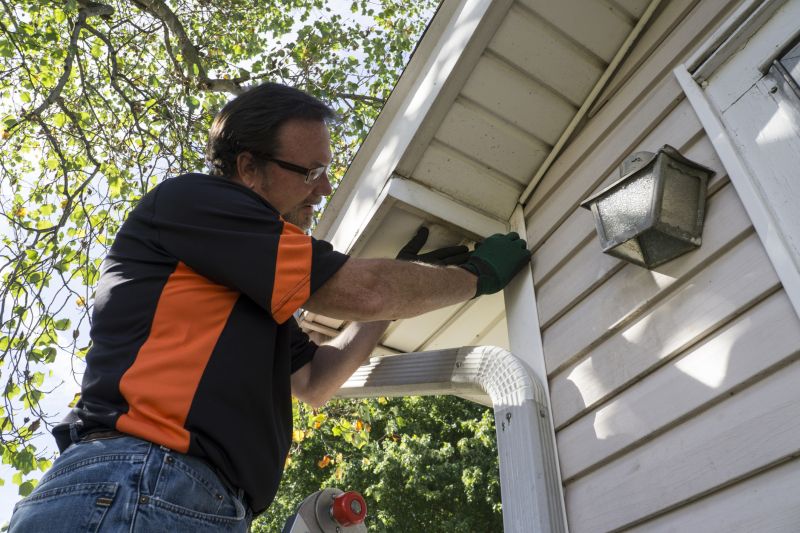

To ensure fair comparisons, clearly define your scope, verify contractor experience, and document expectations consistently across service providers.
- Define scope of work - clearly specify the types and areas of house trim to be installed or replaced.
- Verify experience - ensure service providers have relevant experience with house trim installation projects.
- Outline materials and finishes - determine the styles, materials, and finishes to be used for the trim.
- Establish project expectations - agree on the quality standards, installation methods, and finishing details in writing.
- Compare local contractors - evaluate credentials, reviews, and portfolios to select qualified service providers.
When evaluating contractors for house trim installation, it’s important to consider their experience with similar projects. Homeowners should inquire about the types of trim work they have completed, such as crown molding, baseboards, or window casings, and ask for examples of past work that align with the scope of the current project. A contractor with a proven track record handling comparable projects is more likely to understand the nuances involved and deliver quality results. Verifying their familiarity with different materials and styles can also help ensure the chosen service provider can meet specific aesthetic and functional expectations.
A clear, written scope of work is essential when comparing local contractors for house trim installation. This document should outline the specific tasks to be performed, materials to be used, and the expected outcomes. Having a detailed scope helps prevent misunderstandings and provides a reference point for project expectations. Homeowners should ensure that the scope is comprehensive and that any assumptions or special requirements are documented. This clarity can facilitate smoother communication and help both parties stay aligned throughout the project.
Verifying the basics of a contractor’s background is a key step in the comparison process. Homeowners should seek information about the contractor’s experience, including how long they have been working in the industry and their familiarity with trim installation. Checking references or previous client feedback can provide insights into their reliability and quality of work. Additionally, confirming that the service provider has appropriate insurance coverage and adheres to safety standards is important for peace of mind. These verification steps can help identify professionals who are well-qualified to handle the scope of the project.
Evaluating options without focusing on prices involves assessing the quality of the service providers’ proposals and their ability to meet project expectations. Homeowners should compare the details of each contractor’s scope of work, experience, and communication style. It’s beneficial to ask how they plan to approach the project and what methods they use to ensure quality. Paying attention to how clearly and thoroughly they present their process can reveal their professionalism and attention to detail. This approach allows homeowners to select service providers based on expertise and compatibility, leading to a more successful house trim installation.
Ask contractors to provide written scope details to ensure clear expectations and consistent project understanding.
- Experience and Expertise - How can I verify a contractor’s experience with house trim installation projects?
- Scope of Work - What details should be clarified to ensure the scope of the trim installation is clearly defined?
- Material Selection - How do I compare contractors’ recommendations for trim materials and finishes?
- Project Expectations - What should be included in a written scope to set clear expectations for the installation process?
- Previous Work - How can I review a contractor’s past projects to assess their skill and style consistency?
How can I compare contractors for house trim installation? To compare contractors, review their experience, reputation, and scope of work, and consider requesting references or portfolios to assess their previous projects.
What should I consider when defining the scope of trim installation? Clearly outline the types of trim, areas to be worked on, and any specific design preferences to ensure the contractor understands the project requirements.
How can I verify a contractor’s experience with house trim installation? Ask for details about their past projects, years of experience, and whether they have worked on similar homes or trim styles to gauge their expertise.
Why is it important to have the project scope in writing? Having a detailed scope in writing helps set clear expectations, prevents misunderstandings, and provides a reference for the completed work.
What questions should I ask potential contractors during the selection process? Inquire about their experience, the materials they recommend, how they handle project details, and whether they provide written agreements outlining the work scope.
How can I ensure the contractor understands my design preferences? Communicate your ideas clearly, provide examples if possible, and confirm that the scope of work reflects your expectations before work begins.
Homeowners now have the information needed to compare local contractors for house trim installation, including how to define the scope of work, verify experience, and set clear expectations in writing. By exploring available service providers, it becomes easier to identify options that align with specific project needs and preferences. Utilizing the quote form allows for straightforward comparisons, helping to find the right contractor to handle the job effectively.
Taking the time to review and connect with multiple service providers ensures a better understanding of available options for house trim installation. Using the quote form to gather details from local contractors can facilitate informed decisions and help establish a clear plan for the project. This approach supports selecting experienced professionals who can meet individual requirements and expectations.